




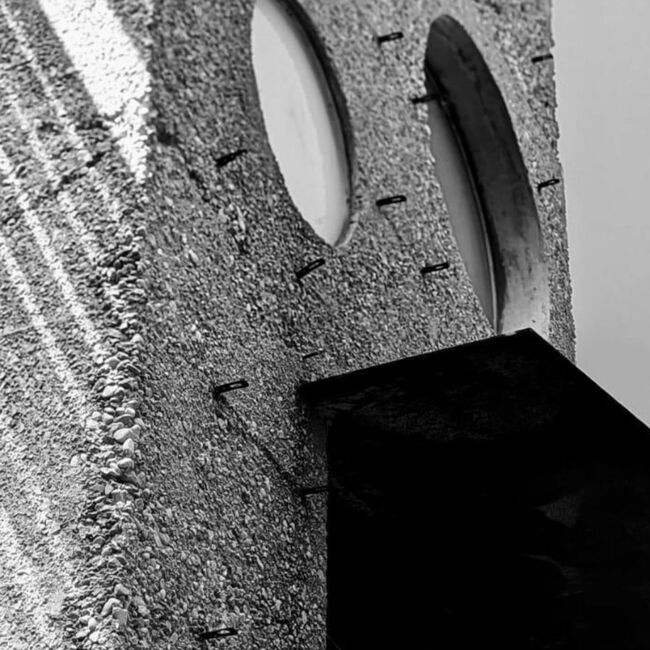
A hotel in progress
Never final, always alive
Some explained it through philosophy. Others, simply, with one sentence.
“Primaluna is like the Sagrada Família.”
Two different ways of telling the same thing.
- On one side, a deep reflection: a place that does not come from a rigid project, but from a sum of details, gestures and choices. A constantly evolving process, where every element has its own identity.
- On the other, a spontaneous impression: that of a guest who recognizes something unique, difficult to define, yet immediately perceptible.
Perhaps this is exactly the point.
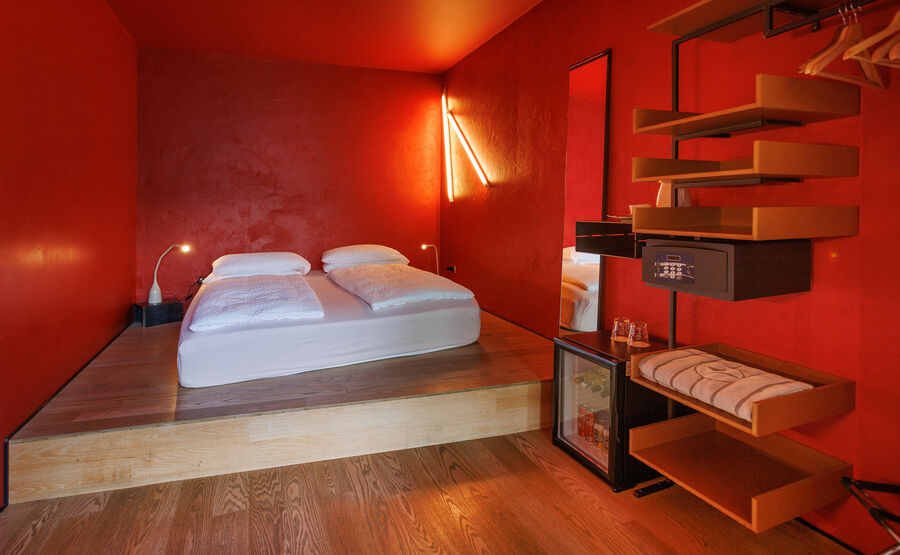
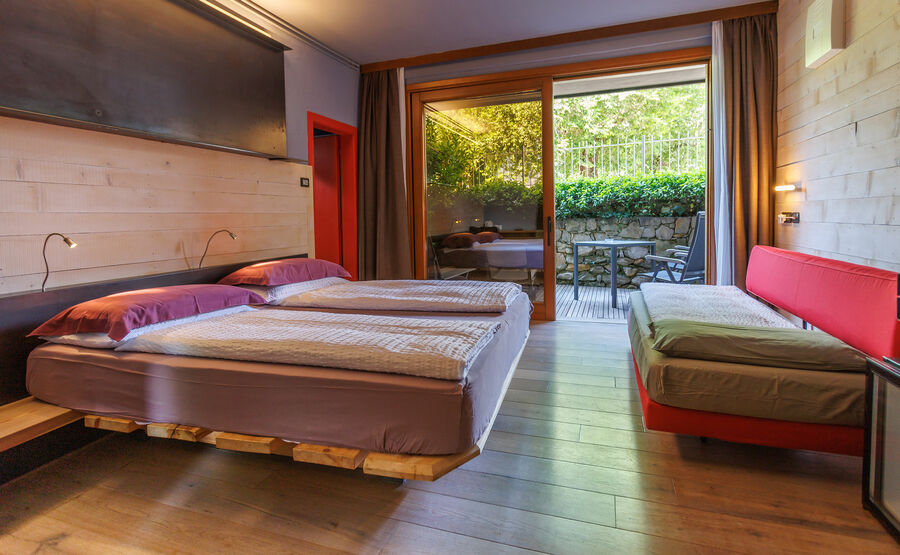
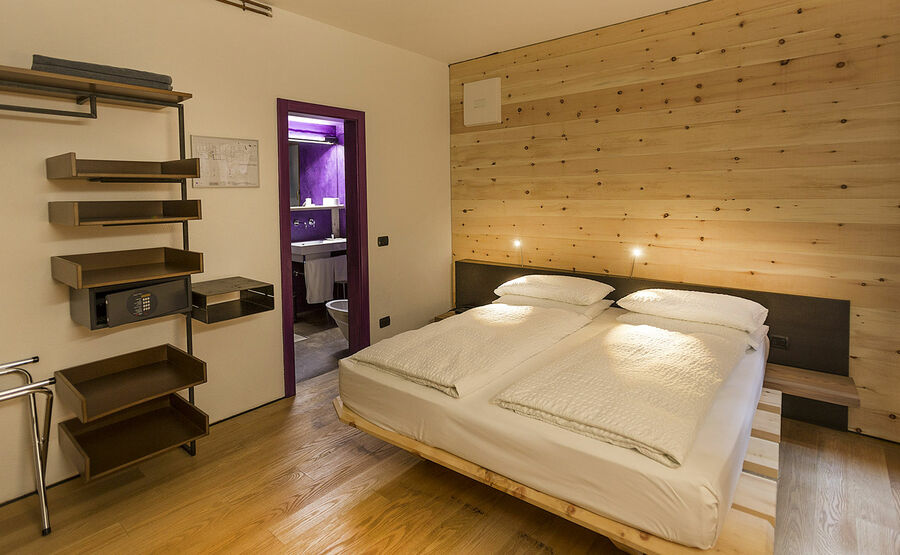
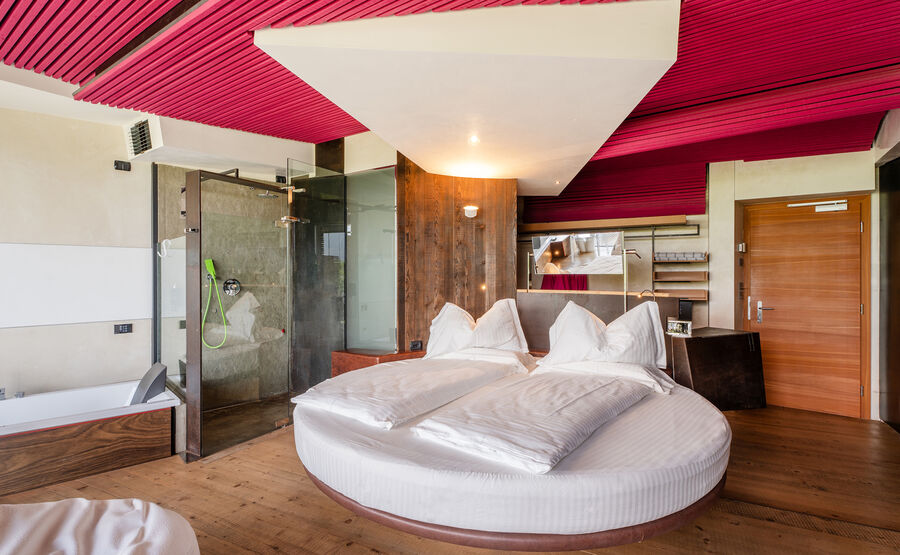
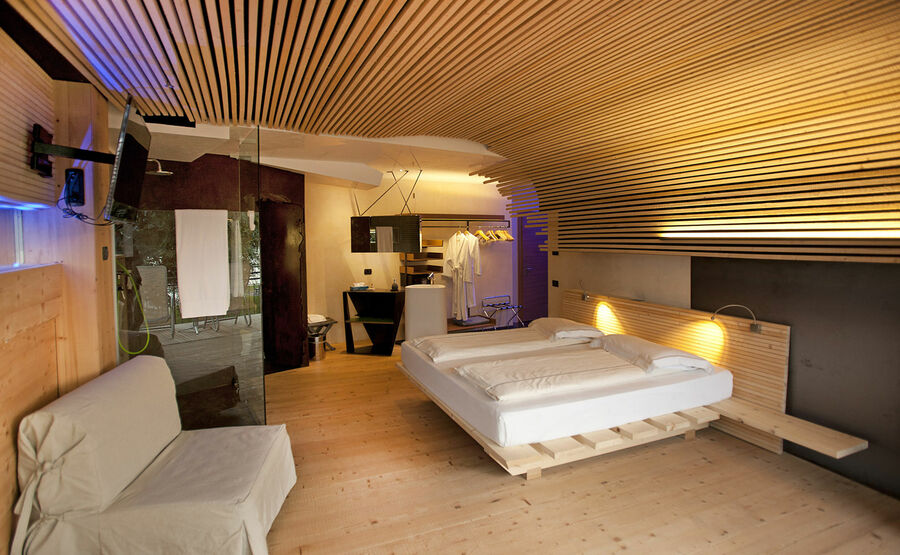
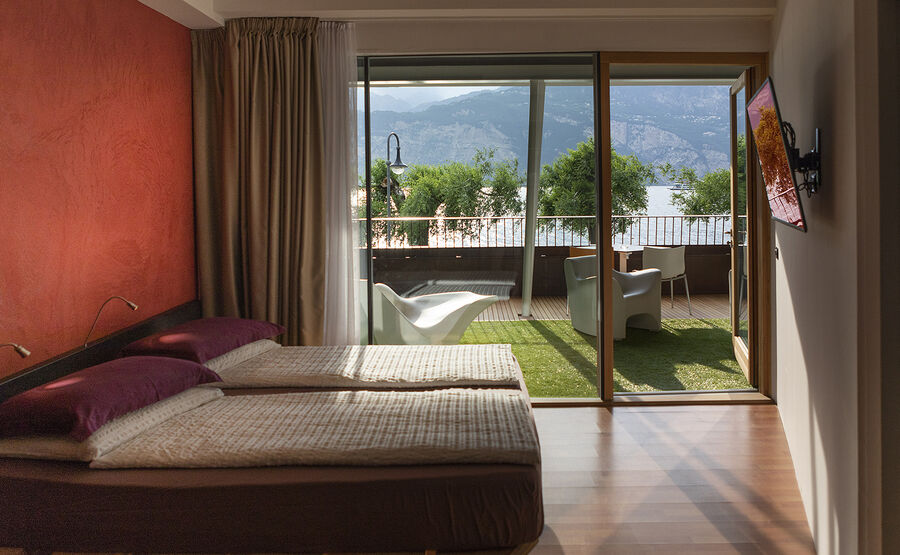
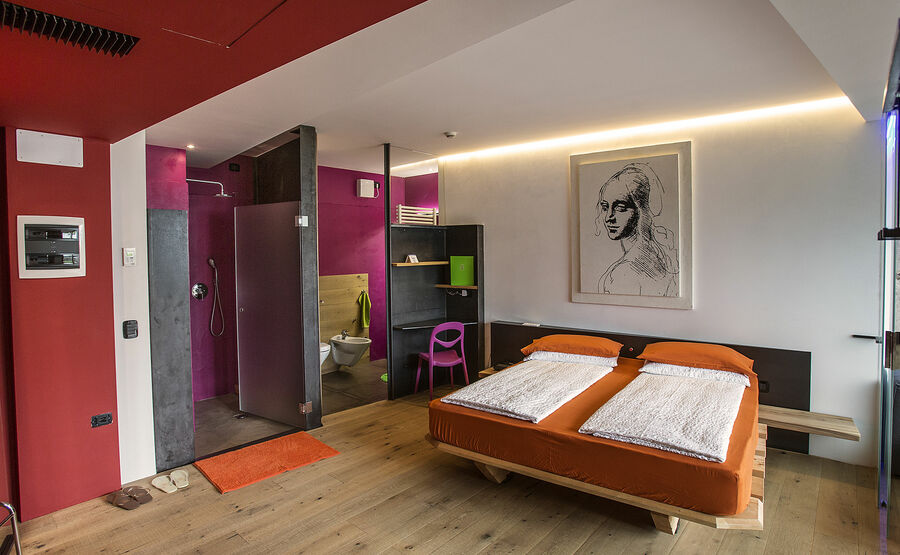
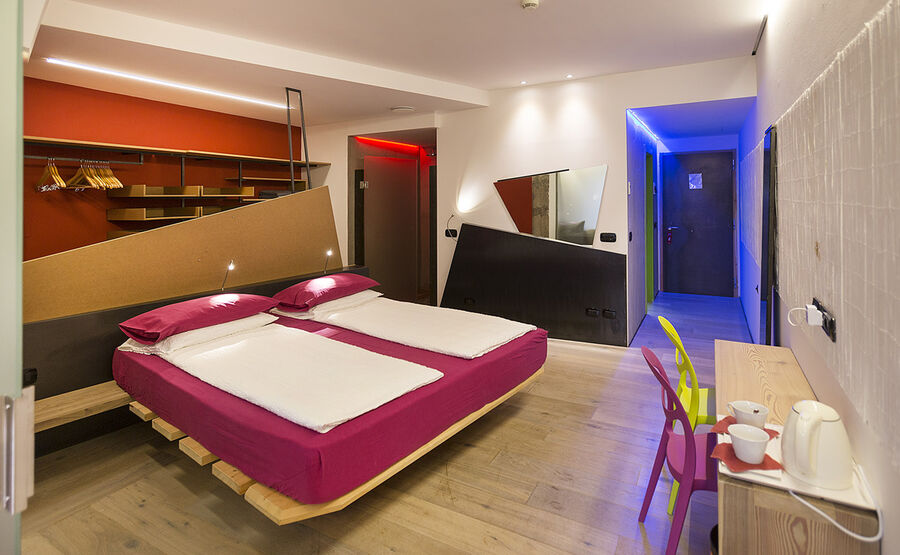
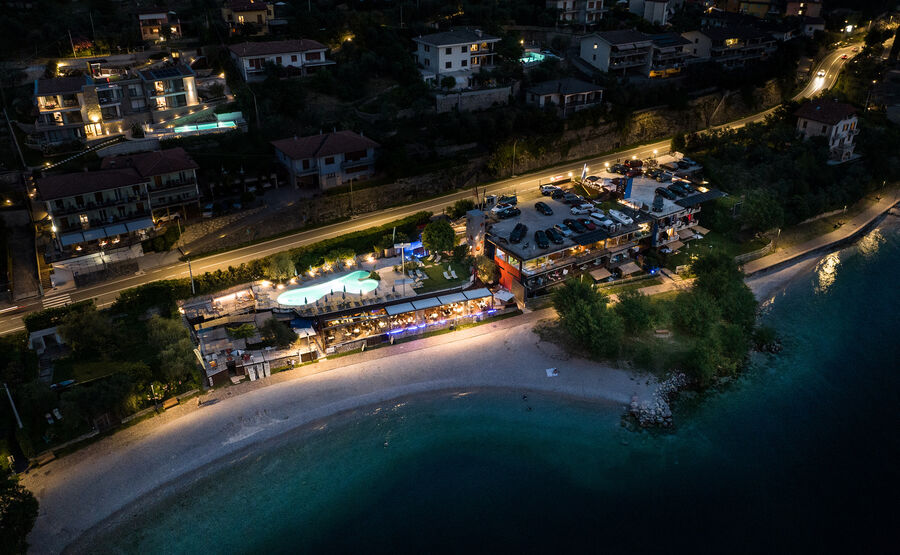
Primaluna is not a hotel to be “understood” in the most classical sense of the word, but a place to be lived and walked through, where the whole is never final, but emerges from a sequence of details that tell stories and build something alive. Like certain works that never stop growing.
A philosopher, guest of the hotel, described this feeling in a deeper way:
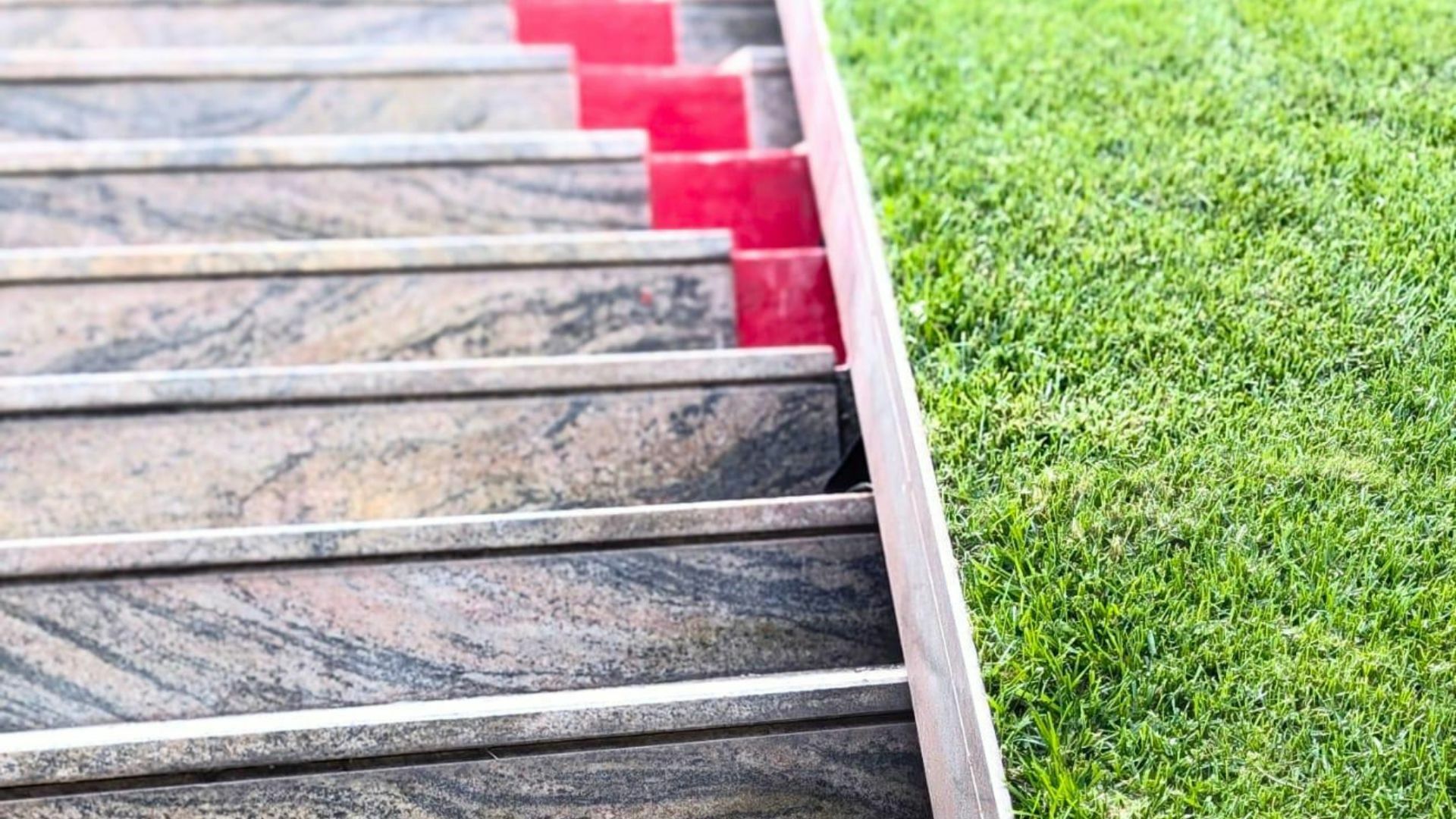
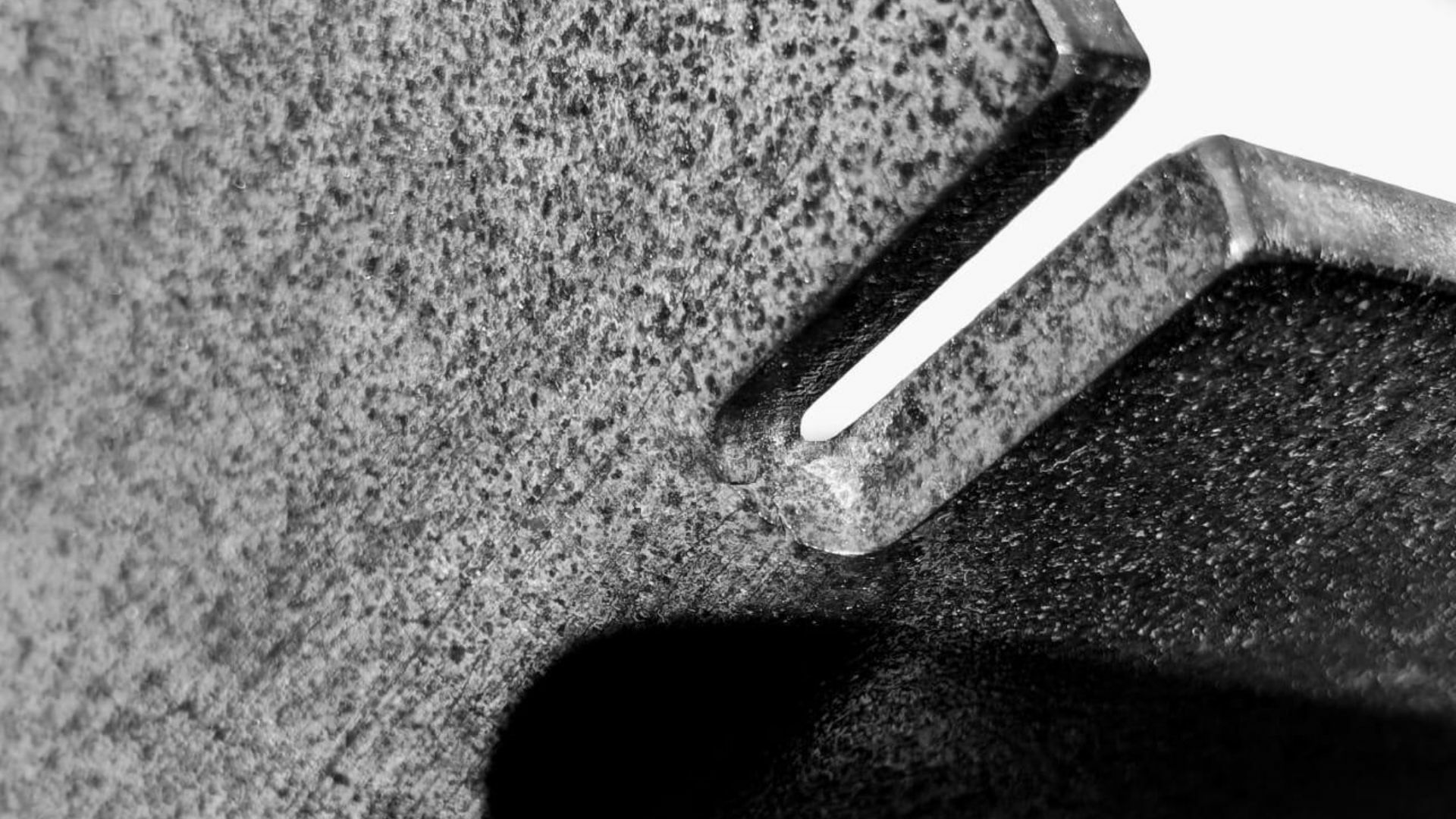
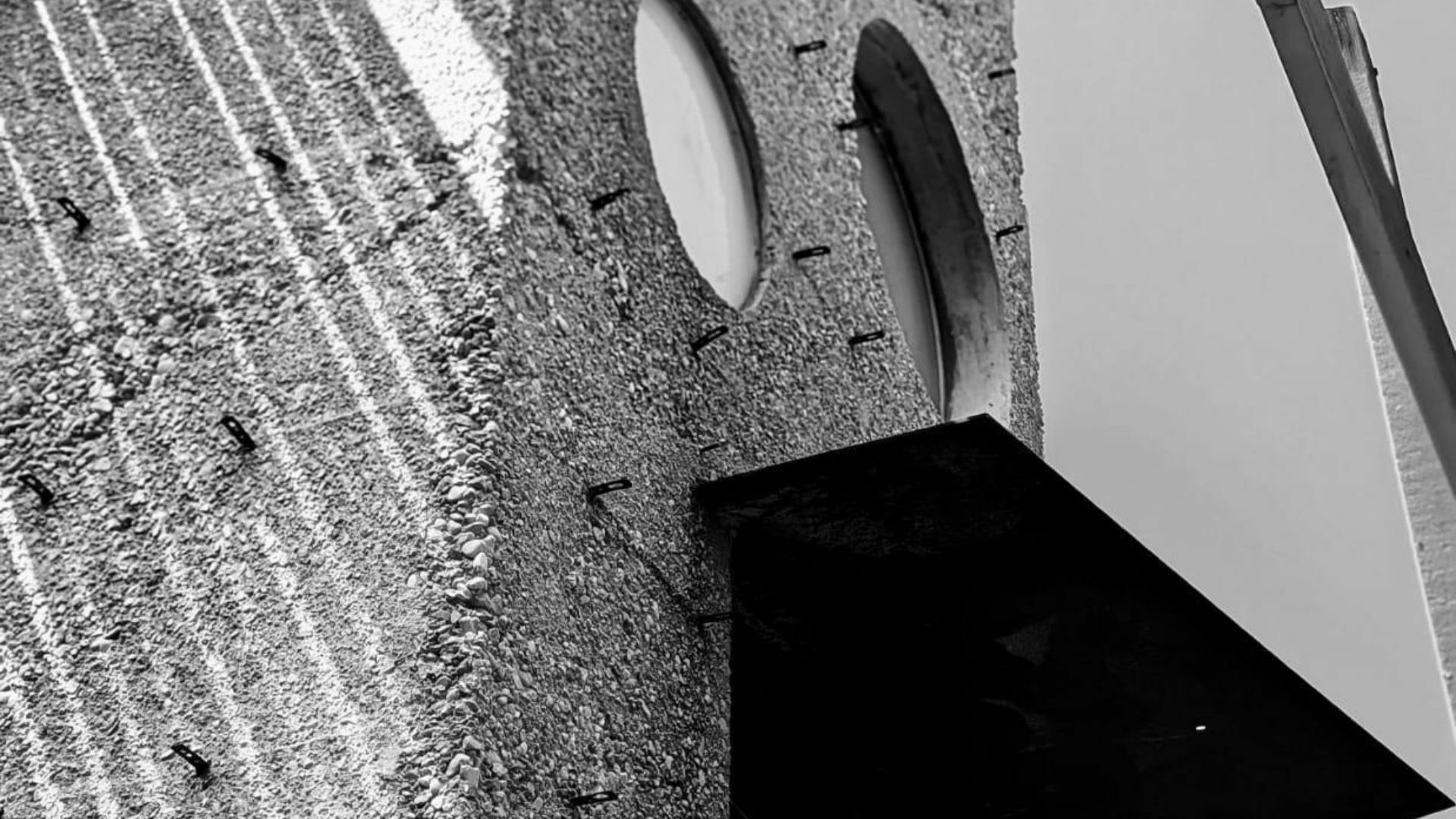
You can think of it as an ontology of the fragment taken to its most radical consequences. This small hotel does not arise from a totalizing idea, from a project that dominates and organizes reality from above, but from a multiplicity of concrete gestures. The craftsman does not impose a form: he discovers it, letting it emerge piece by piece. There is no original Idea of the hotel in which things participate; there are only singular things that, by accumulating, never truly come together into a fixed unity. It is a place that embodies incorporated knowledge, almost Aristotelian: knowledge as téchne, a practice that passes through the hands. Man does not separate thinking from doing; he knows by building. Every detail — a railing, a handle, a beam — is both function and trace of the gesture that generated it. The craftsman is not behind the work, but within it, scattered throughout its details. And yet, precisely because it starts from the particular, any overly intentional totality disappears here. One might evoke Lévi-Strauss: not a project that foresees and coordinates, but a practice that solves local problems with what is available. What remains is an obsessive accumulation. There is never a synthesis. The result is a perceptive experience made of isolated epiphanies. Every detail is saturated, full of meaning, almost auratic in a Benjaminian sense; yet this meaning does not pass on to the other elements, does not build stable relationships. It is a constellation that never becomes a figure. The visitor does not perceive an order, but a sequence of appearances that continuously interrupt one another. From the outside, all this is even more evident: the building does not present itself as a form, but as a juxtaposition. There is no harmony, no religious coherence, no will to exist as a whole. The parts do not seek agreement. It is a necessary, unresolved discordance. The reference may indeed lie in an unresolved tension between the Brion Tomb and the Sagrada Família, but as if both had been deprived of their organizing principle. From the former remains the obsessive intensity of detail; from the latter, the almost organic and proliferating growth. But in this hotel, what makes them completed works is missing. What emerges, then, is not a building in the classical sense, but an open and stratified process. Not a totality, but a series of gestures that can never be reduced to one thing. Not a language, but a practice. Not something to understand, but to walk through, where meaning never fully comes together and, precisely for this reason, remains unstable, alive, irreducible.
Perhaps there is no need to understand every word.
It is enough to enter, observe, pause on one detail.
And then on another.
And let the experience, little by little, build its own meaning.
Gallery